


Venturing into the waters with your vessel calls for reliable power sources, not only for navigation but also for comfort and safety. Among the myriad of options available, the 100 amp hour deep-cycle marine battery stands out as a robust choice for boaters seeking long-lasting, dependable power. This blog post delves into the intricacies of using a 12 volt 100ah deep cycle marine battery, exploring its benefits, applications, and maintenance to ensure you harness its full potential for your maritime adventures.
Understanding The 100 Amp Hour Deep Cycle Marine Battery
The 100 amp hour deep cycle marine battery represents a significant advancement in the provision of sustained power for maritime applications. Unlike the conventional car batteries that are engineered to deliver high power in short bursts primarily for starting engines, this deep cycle variant is adept at releasing energy at a steady rate over prolonged periods. This characteristic is invaluable for meeting the continuous power demands of various onboard systems and appliances, ensuring that they operate efficiently during extended voyages.
The term ‘100 amp hour’ signifies the battery’s ability to supply 100 amps of power for one hour, or equivalently, a lower amperage over a longer period, illustrating its capacity for enduring energy provision. This feature is particularly beneficial in scenarios where the vessel is reliant on battery power for extended durations, necessitating a reliable and consistent power source. Consequently, the 12 volt 100ah deep-cycle marine battery emerges as an essential component for any boat, facilitating a wide range of electrical applications whilst promoting energy resilience and reliability at sea.
Advantages Of Opting For A Deep Cycle Marine Battery
Choosing a 12 volt 100ah deep-cycle marine battery presents several benefits that significantly enhance the boating experience. These batteries are designed to withstand the rigours of marine environments, making them more durable and reliable compared to standard car batteries.
Their ability to discharge slowly over extended periods makes them ideal for powering a broad array of electrical appliances and systems onboard, from lighting to sophisticated navigation tools. The endurance of these batteries under frequent charge and discharge cycles translates into a remarkably longer service life. This durability not only means fewer replacements but also represents a cost-effective solution in the long term.
Furthermore, their resilience against deep discharges is particularly advantageous for vessels that spend considerable time at sea, ensuring uninterrupted power supply for both essential functions and comfort amenities. The combination of these features makes the deep cycle marine battery a cornerstone for any serious mariner, offering peace of mind and enhanced autonomy while navigating the open waters.
Applications On The Water
The 12 volt 100ah deep-cycle marine battery demonstrates remarkable versatility across a spectrum of maritime applications.
- It is pivotal in powering a wide array of onboard electrical systems and gadgets. These include essential navigation aids such as GPS systems, critical for ensuring safe passage through unfamiliar waters, and fish finders, which enhance the angling experience by locating schools of fish with precision.
- On a comfort level, it efficiently runs entertainment systems, keeping the crew and passengers amused during long voyages, and supports kitchen appliances, allowing for the preparation of fresh meals at sea.
- Notably, for vessels equipped with electric trolling motors, the battery provides a consistent and reliable power source, enabling extended periods of silent running, crucial for both fishing enthusiasts and those seeking a tranquil journey across the water.
- Its adaptability ensures it meets both the operational needs and the luxury demands of modern maritime ventures, making it an indispensable component of contemporary boating.
Installation And Maintenance Tips
Ensuring your 12 volt 100ah deep-cycle marine battery is correctly installed and diligently maintained will significantly enhance its efficiency and extend its service life. Installation should always be conducted in a secure, upright position within a dry, ventilated area of your vessel to mitigate the risks of moisture damage and gas accumulation. Maintenance routines are critical; commence with regular inspections of the battery terminals, removing any corrosion with a suitable cleaner to maintain optimal connectivity.
For those batteries requiring it, maintain the electrolyte levels by adding distilled water periodically. Utilising a compatible charger, tailor your charging practices to avoid over or undercharging, as maintaining an appropriate charge level is imperative for battery health.
Periodic checks should be made to ensure the battery is firmly mounted and that connections remain tight and free from wear. Adhering to these guidelines not only safeguards the battery’s functionality but also bolsters the reliability of your vessel’s electrical system, ensuring a smoother sailing experience.
Selecting The Right Battery For Your Vessel
Identifying the optimal 12 volt 100ah deep-cycle marine battery for your boat is a nuanced process that hinges on several pivotal considerations. Factor in the dimensions and weight capacity of your craft alongside the electrical demand imposed by onboard systems and gadgets. A battery that is too substantial in size may not only consume excessive space but also contribute unwanted weight, potentially impinging on performance and fuel efficiency.
It is prudent to conduct a thorough assessment of your vessel’s typical power consumption, factoring in both essential navigation equipment and any additional luxuries. Engaging with specialists, such as marine electricians or seasoned boaters, can provide invaluable insights into the selection process, ensuring you choose a battery that aligns with your specific maritime requirements.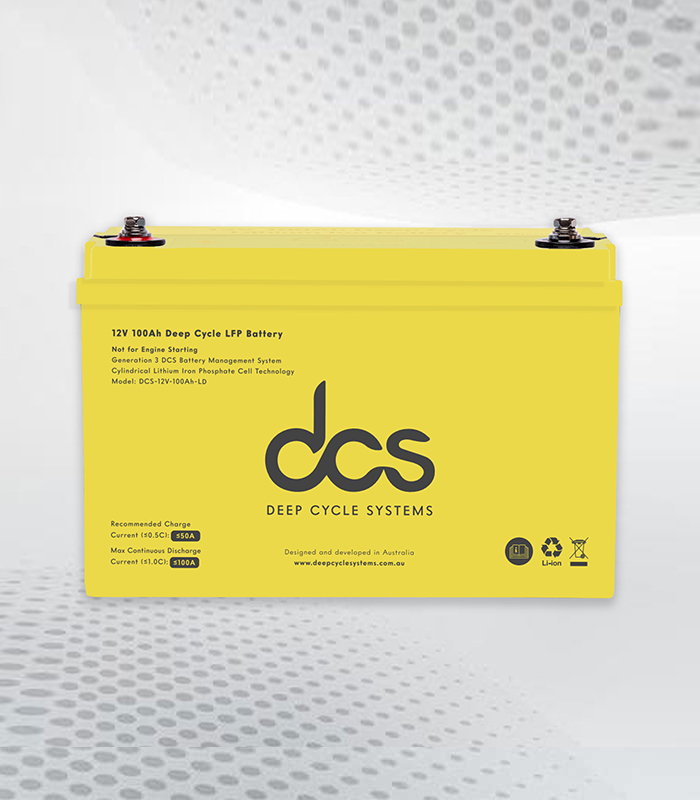
Future Trends In Marine Battery Technology
As we navigate the evolving landscape of marine battery technology, the horizon is illuminated by promising advancements. Emerging technologies such as lithium-ion and solid-state batteries are set to redefine the parameters of energy storage at sea. These innovations promise not only greater energy densities but also swifter charging capabilities and extended lifecycles, heralding a new era of efficiency and environmental stewardship in marine power systems.
Furthermore, the advent of graphene and other nanomaterials in battery composition could unlock unprecedented levels of performance and durability. As these cutting-edge technologies gradually transition from research laboratories to marine applications, they present an opportunity for boaters to embrace more efficient, robust, and eco-friendly power solutions. This shift not only augurs well for the sustainability of maritime ventures but also ensures that the boating community remains at the forefront of adopting cleaner energy practices.
Empowering Your Marine Adventures
In the journey of equipping your vessel with the most reliable and efficient power source, the 12 volt 100ah deep-cycle marine battery emerges as a pivotal choice. Its robustness, coupled with the promise of longevity and consistent power delivery, stands to significantly enhance the quality of your maritime exploits. With an informed approach towards selection, installation, and maintenance, the deep cycle marine battery not only ensures the seamless operation of onboard systems but also enriches the boating experience.
As the marine industry continues to evolve, staying abreast of advancements in battery technology will further empower your voyages, making them safer, more enjoyable, and environmentally sustainable. Engage with this transformative journey, and let the deep cycle marine battery be the cornerstone of your vessel’s electrical system, underpinning unforgettable adventures across the blue expanses.
Ensuring Long-Lasting Performance
To secure enduring performance from your 12 volt 100ah deep-cycle marine battery, it is imperative to observe stringent charging and storage protocols. Prompt recharging after each use is essential, as is choosing an appropriate location for storage – a cool and dry environment is ideal, particularly in the off-season when the battery is not in regular use.
Monitoring the battery’s state of charge through routine checks can pre-empt potential failures, allowing for timely maintenance or replacement decisions well ahead of your next journey at sea. These practices are fundamental in maintaining the battery’s health and ensuring it continues to provide reliable power for your maritime pursuits.
Maximising Battery Life For Optimal Performance
To ensure the longevity and sustained performance of your 12 volt 100ah deep-cycle marine battery, adopting the right charging strategies is paramount.
- Overcharging or undercharging can significantly impair battery health, leading to diminished capacity and shorter lifespan.
- Implementing the use of intelligent charging systems that can adapt the charge to the battery’s needs is highly recommended.
- Such chargers can prevent the pitfalls of overcharging by automatically reducing the charge rate as the battery nears full capacity, and similarly, prevent undercharging by ensuring the battery is always maintained at an optimal charge level.
- Additionally, it’s crucial to shield the battery from exposure to extreme temperature conditions, as both excessive heat and severe cold can adversely affect battery performance and durability.
- Heat accelerates chemical reactions inside the battery, potentially leading to overheating and damage, while cold temperatures can reduce the battery’s ability to hold a charge.
- Employing thermal management practices, such as insulating the battery in extreme climates, can aid in maintaining its efficacy. By following these practices, you can significantly enhance the operational lifespan of your deep cycle marine battery, ensuring it delivers reliable power when you need it the most.
Long-Term Battery Performance Tips
Enhancing the longevity and efficiency of your 12 volt 100ah deep-cycle marine battery can be effectively achieved by integrating renewable energy sources, such as solar panels or wind turbines, into your vessel’s power system.
This sustainable approach not only contributes to reducing the environmental footprint of your maritime activities but also ensures that the battery maintains an optimal charge level during prolonged periods at sea. Furthermore, a conscientious evaluation and management of your boat’s energy usage can alleviate unnecessary burdens on the battery.
By prioritising the operation of essential systems and judiciously using power-intensive appliances, you can minimise the risk of depleting the battery’s reserves prematurely. This strategic balance between power generation, consumption, and conservation plays a crucial role in safeguarding the battery’s health and operational readiness, thereby guaranteeing a dependable power supply for all your boating adventures.
FAQs
1. Can I use a 12 volt 100ah deep cycle marine battery for starting my boat’s engine?
Whilst primarily designed for deep cycling to power onboard appliances and systems over long periods, a 12 volt 100ah deep-cycle marine battery can be used for starting engines. However, it’s essential to verify that the starting current required by your boat’s engine does not exceed the battery’s maximum discharge rate.
2. How often should I recharge my 12 volt 100ah deep cycle marine battery to ensure optimal performance?
It is advisable to recharge your deep cycle marine battery after every use, irrespective of the duration. Keeping the battery fully charged minimises the risk of sulphation, a leading cause of reduced battery capacity and lifespan. Employing a smart charger can further streamline this process, ensuring the battery remains at an optimal charge level without overcharging.
3. Is it necessary to remove the battery from my boat for charging?
No, it is not strictly necessary to remove the battery from your boat for charging, provided you have a safe and ventilated space to do so. Ensure that the charger used is marine-grade and the area is free from any potential sparks or flames to prevent accidents. Proper ventilation is crucial to avoid the build-up of harmful gases during the charging process.
Conclusion
In conclusion, the 12 volt 100ah deep cycle marine battery represents a cornerstone of marine electrical systems, offering boaters a blend of resilience, longevity, and unmatched power capacity for a broad range of applications. Its ability to sustain the diverse electrical demands of modern vessels underscores its importance in the maritime realm. By adhering to the outlined installation, maintenance, and charging practices, sailors can ensure the optimum performance of their batteries, thereby securing an uninterrupted power supply crucial for both safety and comfort at sea.
| Other Good Articles to Read |
| Niche Blogs Connect |
| Blogs 97 |
| Blog Stitution |
| Blogs Unplugged |
| Blogs Cotch Rouge |
| Blog Signatr |
| Blog Sintonias |
| Blog Zilla |
| Consumer Forums |
| Finance Forums |
| G Blogs |
| Too Blog |
| Related Business Listings |
| Directory Submissions |
| Regional Directory |